
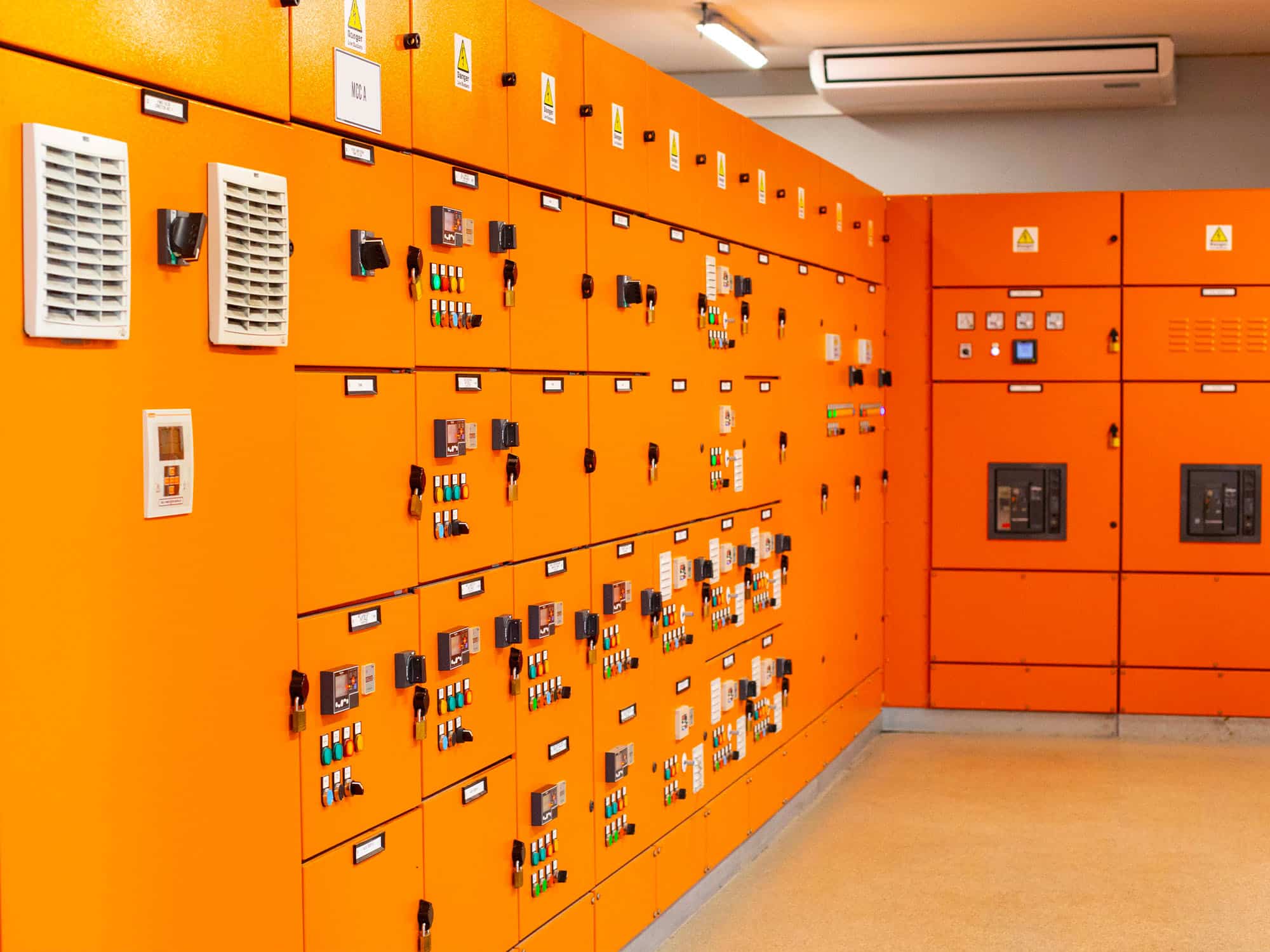
In the water and wastewater industry, electrical panels are exposed to some of the most challenging conditions – from high humidity and chemical vapours to corrosive atmospheres and fluctuating temperatures. Designing panels that can withstand these environments while ensuring reliability, safety, and ease of maintenance is critical to system longevity and operational stability.
1. Understanding the Operating Environment
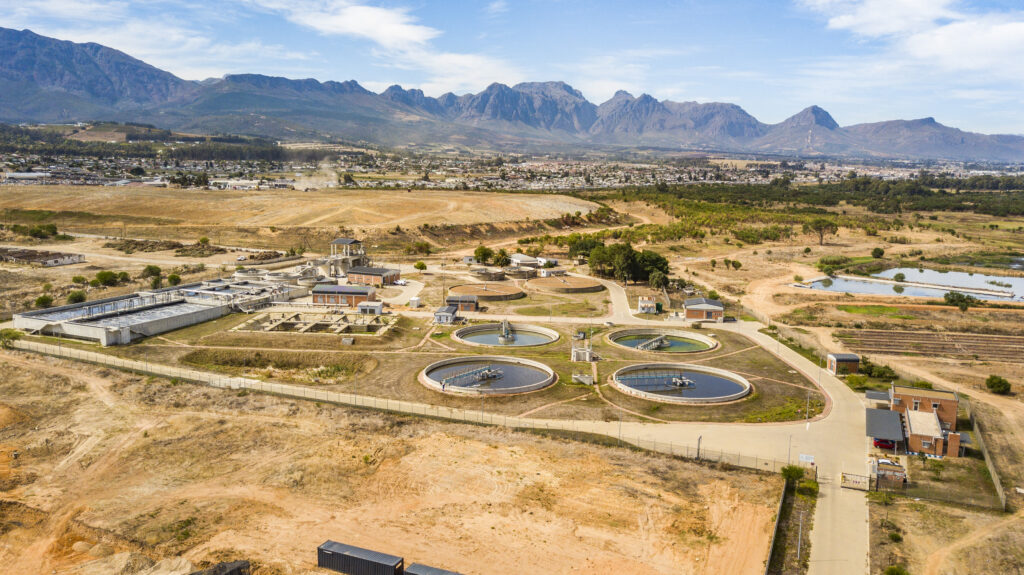
Electrical panels in water and wastewater applications are often installed in areas where moisture, dust, and corrosive gases are present. These conditions can accelerate equipment degradation and lead to electrical failures if not properly mitigated. Before design begins, engineers must assess factors such as:
- Ambient temperature and humidity
- Exposure to water, chemicals, and UV radiation
- Ventilation and condensation risks
- Maintenance accessibility
A well-defined environmental assessment ensures that the design meets both operational and safety requirements over time.
2. Selecting the Right Enclosure Material and Rating
The choice of panel enclosure is central to durability. For harsh conditions, Servelec specifies enclosures with protection ratings such as IP65, IP66, and IP68, depending on exposure and installation location.
- IP65: Dust-tight and protected against low-pressure water jets – ideal for indoor or covered installations.
- IP66: Provides a higher level of water protection, suitable for outdoor panels exposed to rain and spray.
- IP68: Designed for prolonged immersion, typically used for underground pump stations or areas prone to flooding.
Stainless steel (304 or 316) is the preferred material for high-corrosion environments, while polycarbonate or GRP enclosures offer lightweight, non-conductive alternatives for less aggressive sites.
3. Internal Design Considerations
Internal layout and component selection must also cater to environmental resilience.
- Condensation management: Breather vents, anti-condensation heaters, and desiccant packs prevent moisture buildup.
- Component spacing: Proper airflow and separation reduce heat accumulation and improve serviceability.
- Cable management: Using industrial-grade glands and ferrules ensures secure terminations resistant to vibration and ingress.
- Surface treatments: All mounting plates, fasteners, and brackets should be corrosion-protected through galvanisation or powder coating.
4. Installation Practices
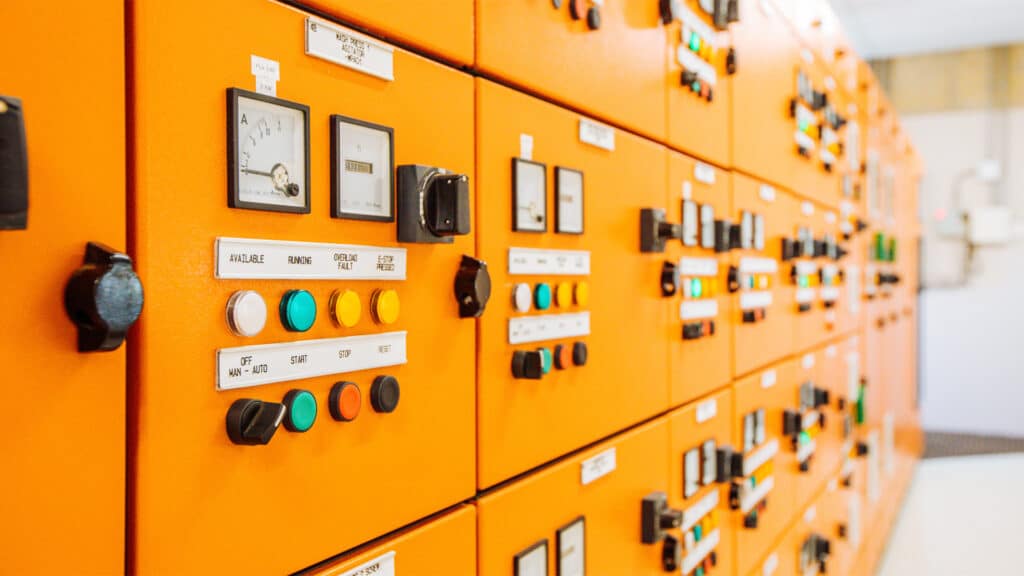
A robust design is only effective if installation follows best practices. Servelec ensures that every electrical panel is:
- Mounted above potential flood lines or elevated on plinths in risk areas.
- Sealed using IP-rated glands and weatherproof gaskets to prevent ingress through cable entries.
- Properly earthed and bonded to protect against lightning and transient voltages.
- Ventilated or thermally managed, maintaining optimal operating temperatures for sensitive electronics.
Site conditions also determine whether external sunshades, double-door configurations, or lockable housings are used to add further protection.
5. Compliance and Testing
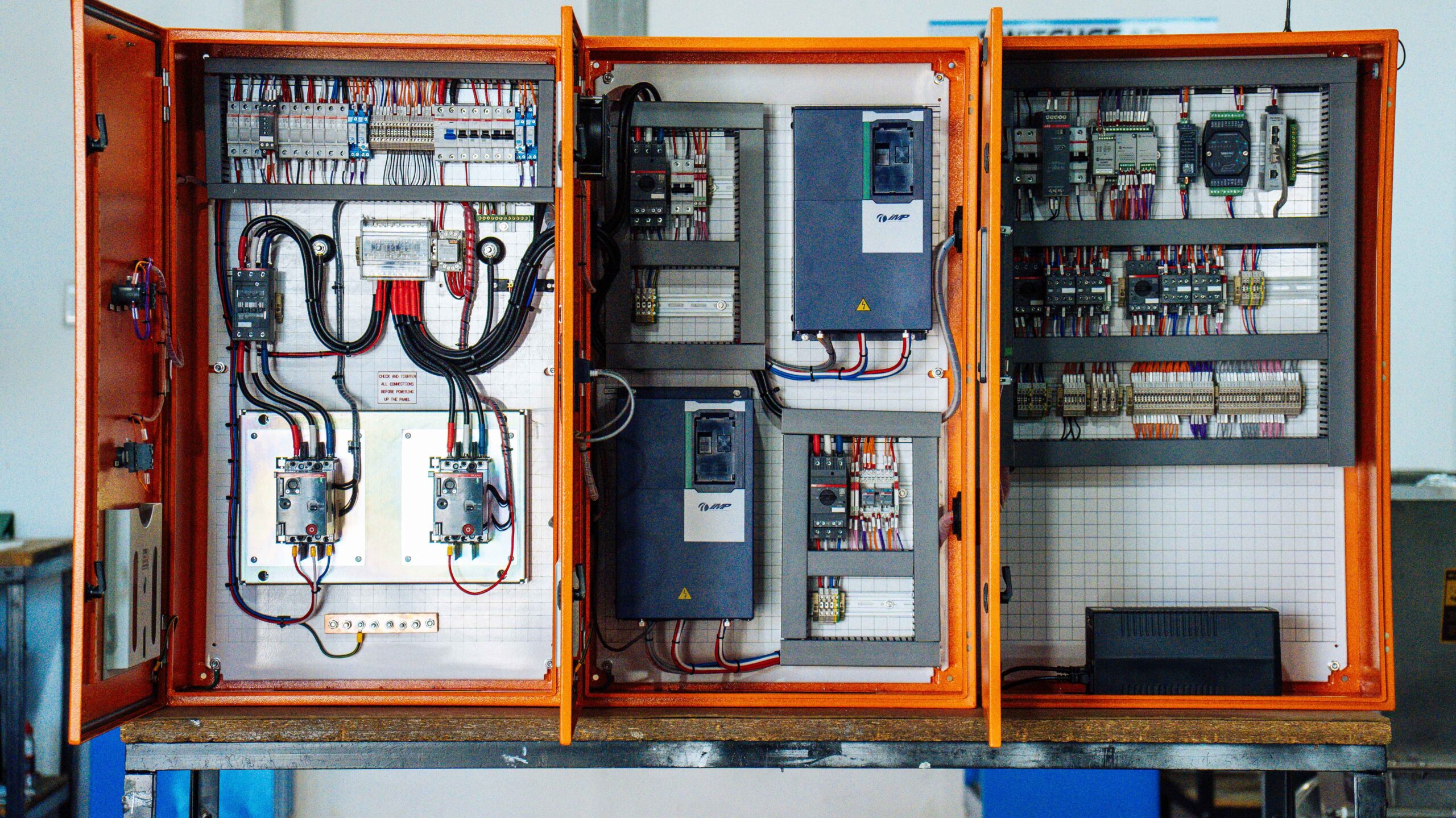
Panels designed for harsh environments must comply with local and international standards such as SANS 60439 / IEC 61439. Each panel undergoes testing for insulation resistance, continuity, and functional performance before leaving Servelec’s workshop. Where required, Factory Acceptance Testing (FAT) and Site Acceptance Testing (SAT) confirm that every component performs reliably in real-world conditions.
6. Longevity through Preventative Maintenance
Regular inspection and maintenance complete the lifecycle strategy. Periodic cleaning, torque testing, and checking for ingress or corrosion ensure continued reliability. Servelec also integrates remote monitoring systems where applicable, allowing early detection of faults and reducing unplanned downtime.
Conclusion
Designing electrical panels for harsh environments demands foresight, precision, and experience. In the water and wastewater sector, where uptime is critical and conditions are unforgiving, Servelec’s approach – combining high IP-rated enclosures, meticulous internal design, and best-in-class installation practices – ensures systems that are robust, compliant, and built for long-term performance.